Explore project management phases, from defining objectives to implementing solutions and evaluating outcomes. Learn about stakeholder engagement and continuous improvement for future success. In today’s dynamic engineering landscape, successful project management hinges on a comprehensive understanding of the lifecycle of Engineering Systems Division (ESD) projects.
From the initial phases of defining project objectives to the critical evaluation of outcomes, each stage is pivotal for ensuring that objectives align with stakeholder expectations and industry standards. This article delves into the intricate phases of ESD projects, from the meticulous input phase, through the development and evaluation stages, to the essential practice of continuous improvement.
By addressing the importance of stakeholder engagement and capturing lessons learned, we aim to equip project managers and engineering professionals with the insights needed to drive successful project outcomes in the ever-evolving world of engineering. Join us as we explore this essential framework for enhancing project efficiency and effectiveness.
Input Phase: Defining Project Objectives and Requirements
During the input phase of engineering systems division projects, it is crucial to establish clear and measurable project objectives and requirements. This stage sets the foundation for all subsequent activities and significantly influences the project’s success.
Initially, stakeholders must collaborate to articulate the understanding the overarching goals of the project. These goals should align with the organization’s vision and strategic objectives. It is essential to involve all relevant stakeholders, as their insights and expectations can shape the project’s direction.
Next, specific requirements must be defined. This involves identifying the needs of users and considering technical, functional, and regulatory aspects. Requirements should be documented thoroughly to create a comprehensive project scope, which helps to avoid scope creep later on.
The participation of cross-functional teams in brainstorming sessions can enhance creativity and innovation in defining these objectives. Techniques such as SWOT analysis (Strengths, Weaknesses, Opportunities, and Threats) can also aid in recognizing potential challenges and ensuring that the project objectives are realistic and achievable.
Once the objectives and requirements are defined, a feasibility study should be conducted to validate the proposed project scope against available resources, time constraints, and budget considerations. This evaluation helps in making informed decisions and refining the project approach.
The input phase is a critical step in project development that requires a thorough understanding the needs, expectations, and constraints of the project environment to ensure a successful outcome.
Development Stage: Implementing Engineering Solutions Effectively
During the development stage, the primary goal is to bring the defined project objectives and requirements to life. This phase is critical as it significantly influences the final outcomes of the engineering systems division projects. Effective implementation of engineering solutions requires careful planning, precise execution, and alignment with the established objectives.

Key activities during this stage include:
- Understanding The technical specifications: Teams must ensure they fully comprehend the technical requirements outlined in the input phase. This understanding is crucial for effective problem-solving and innovation.
- Integration of multidisciplinary teams: Engineering projects often require collaboration between various disciplines, such as mechanical, electrical, and software engineering. Implementing solutions effectively hinges on smooth communication and cooperative efforts among these teams.
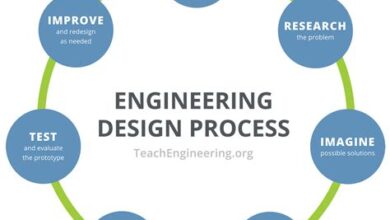
- Prototyping and testing: Creating prototypes allows for real-world testing of the solutions before full-scale implementation. This step helps identify potential issues and areas for improvement early in the process.
- Adherence to project timelines: Efficient project management during the development phase ensures that tasks are completed on schedule, which is necessary for maintaining project viability and meeting stakeholder expectations.
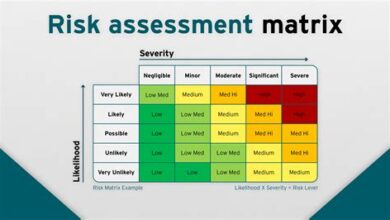
- Risk management: Identifying and mitigating risks is vital to ensuring that the implementation process remains on track. Teams should continuously assess potential obstacles and develop contingency plans as needed.
By focusing on these areas, teams can effectively implement engineering solutions, keeping in mind the overarching theme of Understanding The lifecycle of engineering projects. This approach not only enhances project outcomes but also contributes to valuable insights that can be leveraged in future phases of the project and subsequent projects overall.
Result Evaluation: Assessing Project Outcomes and Performance
Result evaluation is a critical phase in the lifecycle of Engineering Systems Division projects, focusing on measuring the effectiveness and efficiency of the implemented solutions. This stage not only highlights how well the project meets its initial objectives but also offers insights into the overall performance of the project relative to the planned guidelines.
To effectively conduct a result evaluation, various metrics and methodologies are employed:
- Key Performance Indicators (KPIs): Setting measurable KPIs allows for a clear assessment of progress and success. These indicators should align with the project’s objectives and be quantifiable.
- Benchmarking: Comparing project outcomes with industry standards and best practices can provide a frame of reference for understanding performance within a larger context.
- Stakeholder Feedback: Gathering insights from stakeholders can help gauge satisfaction levels and uncover any unforeseen challenges or successes post-implementation.
- Cost-Benefit Analysis: Evaluating financial performance against the project’s budget helps determine whether the project delivered expected value.
- Performance Audits: Conducting systematic audits can highlight areas that meet the project’s goals and those that require further attention or adjustment.
Typically, result evaluation precedes the final reporting phase, allowing teams to prepare detailed documentation of their findings, recommendations, and the overall success of the project. This information is invaluable, not only for current stakeholders but also for guiding future projects within the Engineering Systems Division.
understanding the outcomes and performance of a project through comprehensive evaluation helps organizations improve their practices, refine their strategies, and enhance stakeholder trust, paving the way for more successful initiatives in the future.
Understanding The Importance of Stakeholder Engagement
In any engineering project, stakeholder engagement plays a crucial role in determining the success of the initiative. Understanding The dynamics of stakeholder involvement can lead to improved project outcomes, enhanced communication, and a stronger commitment from everyone involved. Engaging stakeholders from the onset ensures their insights are factored into project objectives, thereby aligning the project’s direction with their expectations.
Effective stakeholder engagement encompasses a range of activities, including identifying stakeholders, analyzing their interests, and actively involving them in decision-making processes. By doing so, project teams can foster a collaborative environment that not only promotes transparency but also builds trust among all parties. This is especially important during the development stage, where stakeholder inputs can provide valuable feedback and adaptations to engineering solutions.
Moreover, regular communication throughout the project lifecycle is vital. By keeping stakeholders informed of developments and changes, project managers can ensure that everyone remains on the same page. This ongoing dialogue contributes to conflict resolution and can mitigate potential risks, allowing for a smoother project execution.
Understanding The importance of stakeholder engagement is fundamental for any engineering system division project. Developing a robust stakeholder engagement plan that includes regular interactions and feedback mechanisms can significantly enhance the project’s chances of success, ensuring that all perspectives are considered and valued throughout the project lifecycle.
Continuous Improvement: Lessons Learned for Future Projects
In the realm of engineering systems division projects, Understanding The cycle of continuous improvement is essential for enhancing future project outcomes. By analyzing previous projects comprehensively, teams can identify what worked well and what could be improved. This iterative feedback loop not only leads to successful project implementations but also cultivates a culture of learning within the organization.

Key aspects of the continuous improvement process include:
- Post-Project Reviews: Conduct thorough evaluations after completing projects to extract valuable insights. These reviews should encompass all phases of the project, gathering input from team members and stakeholders alike.
- Documentation Practices: Maintain detailed records of decisions made, challenges faced, and solutions implemented. This documentation serves as a reference for future projects and helps in avoiding past mistakes.
- Feedback Mechanisms: Create avenues for obtaining feedback not only from internal stakeholders but also from customers and other external parties. Their perspectives can provide unique insights that drive improvement.
- Training and Development: Invest in training to equip team members with updated skills and knowledge relevant to modern engineering practices. Continuous education fuels innovation and enhances team performance.
- Benchmarking: Compare your project’s performance against industry best practices to identify gaps and opportunities for improvement.
Moreover, fostering a mindset focused on Understanding The importance of learning from experiences can transform not only the team dynamics but also the effectiveness of project deliveries. Organizations that embrace this culture are more likely to succeed in future endeavors, creating a sustainable path for progress.
Frequently Asked Questions
What is the Lifecycle of Engineering Systems Division Projects?
The lifecycle refers to the series of stages that an Engineering Systems Division project goes through, from initial concept to completion and maintenance.
What are the key stages in the lifecycle of these projects?
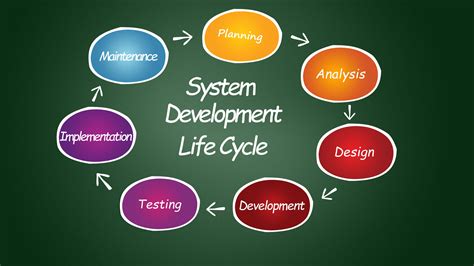
Key stages typically include conception, planning, execution, monitoring, and closure, each involving specific activities and deliverables.
Why is understanding the lifecycle important for project management?
Understanding the lifecycle enables project managers to effectively allocate resources, manage risks, and ensure timely delivery of project goals.
How does the lifecycle model benefit stakeholders?
The lifecycle model provides clarity and structure, improving communication and aligning stakeholders’ expectations throughout the project.
What tools can be used to manage each stage of the lifecycle?
Common tools include Gantt charts, project management software, and collaboration platforms that help in planning, tracking, and reporting.
What challenges may arise during the lifecycle of such projects?
Challenges can include scope changes, resource constraints, or unforeseen technical difficulties, requiring adaptive strategies to manage.
How can lessons learned during one project be applied to future projects?
Documenting lessons learned can inform best practices and avoid past mistakes, ultimately enhancing efficiency and outcomes in future projects.