Explore the latest innovations in engineering systems, sustainability’s impact, automation’s role, future skills needed, and real-world applications shaping 2023 and beyond. In today’s rapidly evolving landscape, the Engineering Systems Division stands at the forefront of innovation, driven by emerging trends that are reshaping industries globally.
As we delve into 2023, it becomes imperative to understand the groundbreaking technologies and sustainable practices that are transforming engineering systems. From automation streamlining processes to the critical skills required to navigate these advancements, our exploration will shed light on the future of this dynamic field.
This article will not only highlight the innovative solutions defining engineering today but also provide insights into real-world applications and address common questions about the direction of this essential sector. Join us as we uncover the key trends set to redefine engineering systems, ensuring they are both effective and environmentally responsible.
Innovative Technologies Shaping Engineering Systems In 2023
In 2023, the landscape of Engineering Systems is being transformed by several innovative technologies that enhance efficiency, accuracy, and sustainability. Below are the key technologies currently shaping this field:
- Artificial Intelligence (AI) and Machine Learning: These technologies are increasingly being integrated into Engineering Systems for predictive analytics, process optimization, and automated decision-making. AI aids in analyzing vast datasets to forecast patterns and improve project outcomes.
- Internet of Things (IoT): IoT devices allow for real-time monitoring and control of systems, enabling better resource management and operational efficiency. The interconnectivity of various components in an Engineering System significantly enhances performance.
- Advanced Materials: The emergence of new materials like biodegradable plastics and nanomaterials is influencing design processes and product lifecycle, aligning with sustainable practices in Engineering Systems.
- Digital Twins: This technology creates digital replicas of physical systems to simulate and analyze performance. It is instrumental in conducting real-time diagnostics and predicting system behaviors under various conditions.
- Cloud Computing: Enhanced collaboration and data accessibility are made possible through cloud solutions, allowing engineering teams to work on projects from different locations and ensuring that resources are utilized efficiently.
- Robotics: The integration of robotics in Engineering Systems boosts productivity while minimizing the risks associated with hazardous work environments. Collaborative robots, or cobots, support human workers by taking on repetitive or dangerous tasks.
These technologies not only bolster the efficiency of Engineering Systems but also pave the way for innovation that adheres to modern demands for sustainability and adaptability.
The Role Of Sustainability In Engineering Systems Development
Sustainability has become a cornerstone of modern Engineering Systems development, as industries worldwide increasingly recognize the importance of eco-friendly practices. The integration of sustainable principles not only addresses environmental concerns but also enhances efficiency and economic viability.
One of the key trends shaping the role of sustainability in Engineering Systems is the emphasis on life cycle assessment (LCA). By evaluating the environmental impact of a product from its inception to its disposal, engineers can make more informed decisions that reduce waste and promote recycling. This holistic approach ensures that systems are not only efficient but also minimize their footprint on the planet.
Moreover, the deployment of renewable energy sources within Engineering Systems has gained traction. Engineers are now designing systems that are powered by solar, wind, and other renewable sources, significantly reducing reliance on fossil fuels. This shift not only lowers greenhouse gas emissions but also promotes energy security and resilience within various sectors.
Furthermore, advancements in materials science are making it possible to develop new materials that are more sustainable. Biodegradable materials and those derived from recycled products are being increasingly utilized in Engineering Systems, further contributing to environmental preservation while maintaining performance standards.
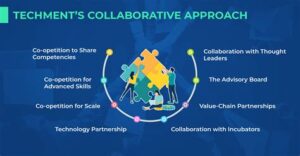
Collaboration among stakeholders, including governments, private sector players, and communities, is essential to propelling sustainability initiatives within Engineering Systems. Such partnerships can facilitate knowledge sharing and the implementation of best practices, which leads to the development of systems that are both innovative and environmentally responsible.
Sustainability stands at the forefront of Engineering Systems development today. By prioritizing sustainable practices, engineers can create systems that not only innovate but also protect our planet for future generations.
How Automation Is Revolutionizing Engineering Systems
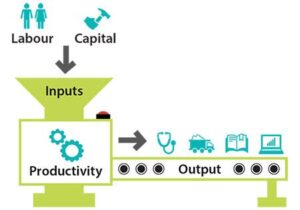
Automation is at the forefront of transforming Engineering Systems, leading to enhanced efficiency and productivity across various sectors. The integration of automated solutions is reshaping traditional engineering practices by minimizing human error and optimizing processes. Here are some key ways in which automation is making an impact:
- Streamlined Operations: Automation simplifies complex engineering tasks, allowing systems to operate smoothly with less manual intervention.
- Data-Driven Decision Making: Automated systems can analyze vast amounts of data quickly, providing engineers with actionable insights that drive performance improvements.
- Increased Precision: Automated tools ensure high levels of accuracy in engineering designs and implementations, reducing the likelihood of costly mistakes.
- Enhanced Collaboration: Automation facilitates better communication and collaboration among teams, enabling seamless integration of different engineering disciplines.
- Rapid Prototyping: Advanced automation technologies allow for quicker iterations in product development, reducing the time it takes to bring innovations to market.
Overall, the role of automation in Engineering Systems is crucial as industries strive to meet the demands of an ever-evolving technological landscape. Embracing these advancements not only enhances operational efficiency but also paves the way for more innovative solutions in the engineering field.
Future Skills Needed In Engineering Systems For Upcoming Trends
As the landscape of Engineering Systems continues to evolve, professionals in the field are required to cultivate a diverse set of skills to stay competitive. In 2023, the emphasis on specialized knowledge, adaptability, and interdisciplinary collaboration will be critical. Here are some essential skills that will support the future of Engineering Systems:
- Data Analysis and Interpretation: Proficiency in analyzing data is vital for understanding complex systems and making informed decisions. Engineers must be adept at using data analytics tools to extract actionable insights.
- Software Development: Knowledge of programming languages and software development methodologies is increasingly important as engineering systems become more reliant on software solutions.
- Systems Thinking: Engineers need to approach problems holistically, understanding how different components of a system interact with one another. This skill is essential for designing efficient and sustainable solutions.
- Project Management: The ability to manage projects effectively, including budgeting, scheduling, and team coordination, is crucial to deliver results in a timely manner.
- Collaboration and Communication: Strong communication and teamwork skills will facilitate collaboration across diverse disciplines, allowing for innovation in Engineering Systems.
- Ethics and Sustainability Awareness: Professionals must be equipped with an understanding of ethical considerations and sustainable practices, ensuring that engineering solutions promote environmental stewardship.
- Adaptability and Continuous Learning: The fast-paced technological advancements demand a mindset of lifelong learning to adapt to new tools, methodologies, and industry standards.
By developing these skills, engineers will be better prepared to tackle the challenges and opportunities presented by emerging trends in Engineering Systems, ultimately driving innovation and efficiency in their work.
Exploring Real-World Applications Of Engineering Systems Innovations
The landscape of Engineering Systems is constantly evolving, influenced by innovative technologies and the drive for sustainability. These advancements are not just theoretical; they have practical applications across various industries. Here are some notable real-world applications that showcase how Engineering Systems innovations are being implemented:
- Smart Cities: Engineering systems play a crucial role in the development of smart cities, where integrated systems manage traffic, waste, and energy efficiently. For instance, cities like Singapore utilize real-time data to optimize transportation and reduce congestion.
- Manufacturing Automation: The adoption of automation in manufacturing processes enhances productivity and precision. Companies leverage advanced robotics and data analytics to streamline operations, improve safety, and reduce costs.
- Renewable Energy Systems: Engineering systems innovations are vital in the integration of renewable energy sources, such as solar and wind, into existing power grids. These systems help to balance supply and demand while enhancing reliability.
- Healthcare Solutions: Modern healthcare relies heavily on Engineering Systems for the development of advanced medical devices and telemedicine platforms. Innovations in systems engineering allow for better patient monitoring and personalized treatment plans.
- Supply Chain Optimization: Engineering systems facilitate improved logistics and supply chain management by using predictive analytics and AI. Companies like Amazon employ these systems to enhance inventory management and streamline delivery services.
These applications illustrate the transformative potential of Engineering Systems across diverse sectors, indicating a promising future as these innovations continue to evolve and shape industries worldwide.
Frequently Asked Questions
What are the key trends shaping the Engineering Systems Division today?
Key trends include increased focus on sustainability, digital transformation, and the integration of artificial intelligence to streamline processes and enhance decision-making.
How is digital transformation impacting engineering systems?
Digital transformation is facilitating improved data analysis, real-time monitoring, and enhanced collaboration among teams, leading to more efficient project management and innovative solutions.
What is the significance of sustainability in engineering systems?
Sustainability is critical as it drives engineers to adopt eco-friendly practices, minimize waste, and develop systems that are energy-efficient, ultimately contributing to a healthier planet.
Can you explain the role of artificial intelligence in engineering systems?
Artificial intelligence is used to optimize system designs, predict problems before they occur, and automate routine tasks, thus increasing productivity and innovation across engineering projects.
What challenges does the Engineering Systems Division face in keeping up with these trends?
Challenges include rapidly evolving technology, the need for continuous education and skill development, and managing the integration of new systems into existing frameworks.
How can organizations stay competitive in the evolving landscape of engineering systems?
Organizations can stay competitive by investing in new technologies, fostering a culture of innovation, and encouraging collaboration among diverse teams to harness different perspectives.
What are the future implications of these trends for engineering professionals?
The future implications include a greater emphasis on multidisciplinary skills, the need for lifelong learning, and the potential for more impactful contributions to society through innovative engineering practices.